
Biography
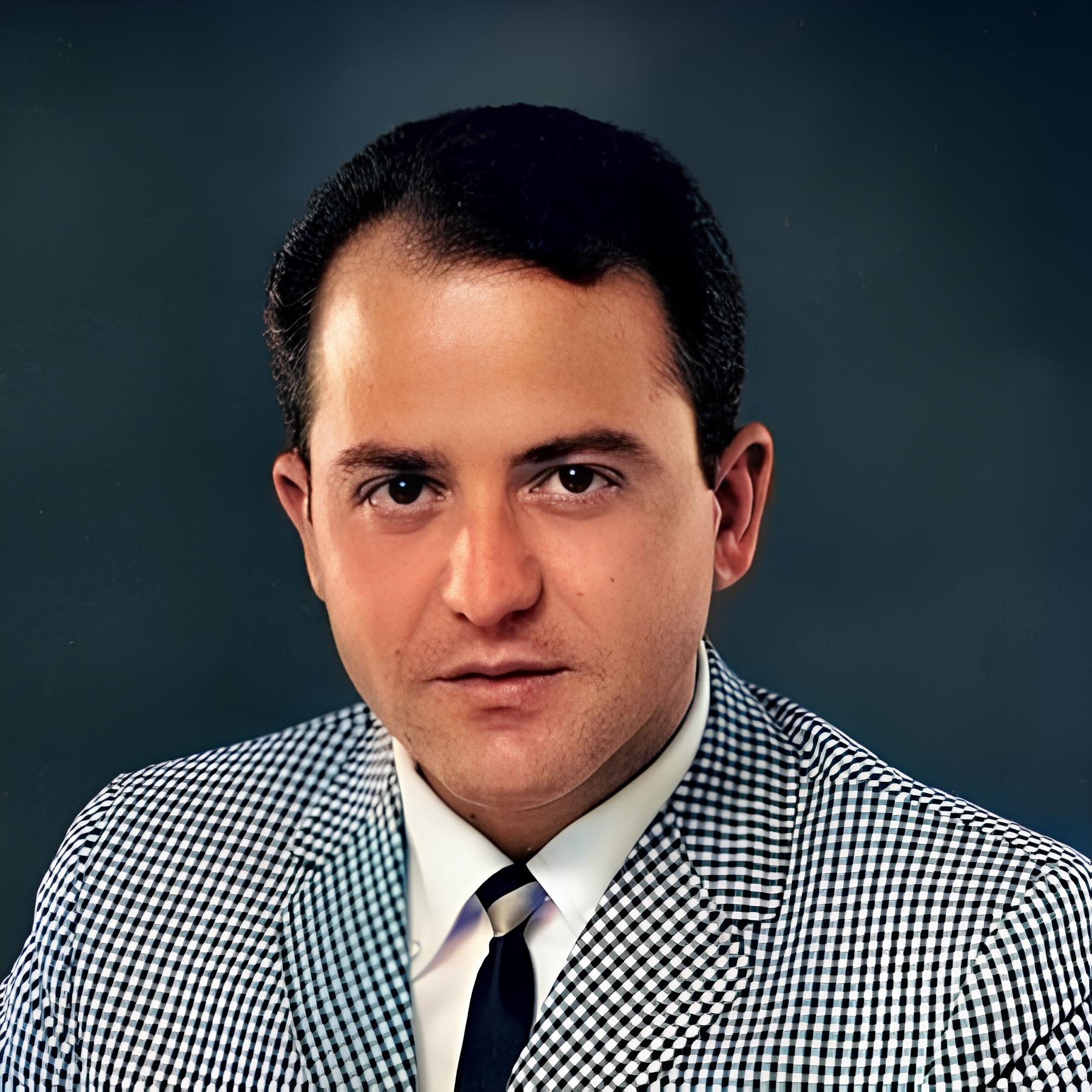
Otelio Tortella d'Elea as Ode Roman
Author, Poet, Screenwriter, Librettist
Otelio Tortella d’Elea,known as Ode Roman,was a renowned Italian-American journalist,poet,screenwriter and a visionary artist whose work bridged decades and transcended cultures during his lifetime. He was born on March 19,1934 in Teramo of Central Italy. He was a prolific writer who authored 32 original screenplays,the lyrics for two Operas in English and Italian language, a choreography for a Symphonic ecological ballet and volumes of globally-oriented modern English and Italian rhymed poems in metrical form. Ode Roman continued to create poetry and screenplays until his untimely death on September 15, 2022.
Born on March 19, in Teramo, a province of Abruzzo of Central Italy, he was orphaned by the loss of his father and mother during the war in 1944. He was raised in orphanages until the age of 18. After completing his military duty as a Radar Operator, he worked at Fiat while attending-university in Turin of Italy, where he graduated in Journalism.
Married in Rome to Umit Maria Karaman, a soprano born in Istanbul. They had a daughter, Galya.
Declared the youngest European playwright with his classic drama Thisbe, winning the Silver Eiffel Tower Prize. The drama was staged to celebrate the 2000th anniversary of the Latin poet Ovidio’s birth.
Edited European Actuality, a weekly magazine in four languages.
Published Esperina, a stage play banned by censorship in Italy. Authored Nocturne Psalm in Auschwitz, a stage play intended for performance in Israel during the Eichmann trial. It was vetoed by the Italian Ministry of Culture due to anti-Semitic Vatican political pressure.
After transferring to Rome for his first political press assignment, he clashed with the corrupt Italian political system and emigrated to the U.S.A. in 1961.
Published the political pamphlet Winds of Freedom in Los Angeles.
Authored the religious drama Time’s Ship, recited in many synagogues. Also, he got divorced from his wife Maria Karaman.
Wrote, directed, and produced the documentary film Lest We Forget, about American military cemeteries in Europe, with special permission from the Pentagon and the American Memorial Authority.
Published Villa Vescovo, his first book of poems in English, earning accolades and honors.
Signed a contract with mime artist Marcel Marceau as writer-director for the script Bip in Roma. Conducted seminars at community colleges and campuses across the Western U.S.
Founded Academia Eleatica in Nevada for international cultural activities spanning literature, science, poetry, art, and audio-kinetics. Authored numerous original screenplays, comedies, and dramas in English.
Created the libretti for the twin operas Muriana and Nagisa di Nara in English and Italian.
In Houston, Texas, married Sofia Cristopoulos, born in Athens, a graduate in History of Art. They lived in Houston for ten years before moving to Athens, Greece. They settled in the historic Thissio district, at the foot of the Acropolis, and became foster parents to Ayyoub El Mounadi.
Copyrighted his Opera Omnia at the Library of Congress, Washington, D.C., on October 4.
Announced plans to sell his Opera Omnia, which includes 30 screenplays, 16 books of poetry, a documentary film, and other creations, to start a new creative cycle focused on better poetry.
He travelled to Japan ancl, stayed for one year. There, he was inspired to write an original screenplay consisted of three parts about the Japanese culture and a booklet of 123 Haiku poems & 50 Tanka dedicated to the Japanese people, whose culture inspires the world to the worship of nature and creatures.
Ode Roman used to visit Reno, Nevada; Los Angeles; and his native country, Italy, almost every year. He continued to create poetry and booklets of sketches, designs, Artworks illustrating the to Symbols for the XXI Century until his untimely death, 15 September 2022.
Ode Roman continued to create poetry and screenplays until his untimely death on September 15, 2022. Admired for his immense creativity and intellectual abilities, he was undoubtedly a unique, deep, and flexible thinker, as well as a thoughtful and ethical human being.
1957
Married in Rome to Umit Maria Karamanle, a soprano born in Istanbul. They had a daughter, Galya.
1958
Declared the youngest European playwright with his classic drama Thisbe, winning the Silver Eiffel Tower Prize. The drama was staged to celebrate the 2000th anniversary of the Latin poet Ovidio’s birth.
1959
Edited European Actuality, a weekly magazine in four languages.
1960
Published Esperina, a stage play banned by censorship in Italy. Authored Nocturne Psalm in Auschwitz, a stage play intended for performance in Israel during the Eichmann trial. It was vetoed by the Italian Ministry of Culture due to anti-Semitic Vatican political pressure.
1961
After transferring to Rome for his first political press assignment, he clashed with the corrupt Italian political system and emigrated to the U.S.A. in 1961.
1962
Published the political pamphlet Winds of Freedom in Los Angeles.
1963
Authored the religious drama Time’s Ship, recited in many synagogues. Also, he got divorced from his wife Maria Karaman.
1964
Wrote, directed, and produced the documentary film Lest We Forget, about American military cemeteries in Europe, with special permission from the Pentagon and the American Memorial Authority.
1965
Published Villa Vescovo, his first book of poems in English, earning accolades and honors.
1966
Signed a contract with mime artist Marcel Marceau as writer-director for the script Bip in Roma. Conducted seminars at community colleges and campuses across the Western U.S.
1972
He became a naturalized U.S. citizen, holding dual Italian and American citizenship. Since then, he devoted his life to literary and creative works.
1974
Founded Academia Eleatica in Nevada for international cultural activities spanning literature, science, poetry, art, and audio-kinetics. Authored numerous original screenplays, comedies, and dramas in English.
1985
Created the libretti for the twin operas Muriana and Nagisa di Nara in English and Italian.
1986
In Houston, Texas, married Sofia Cristopoulos, born in Athens, a graduate in History of Art. They lived in Houston for ten years before moving to Athens, Greece. They settled in the historic Thissio district, at the foot of the Acropolis, and became foster parents to Ayyoub El Mounadi.
1999
Copyrighted his Opera Omnia at the Library of Congress, Washington, D.C., on October 4.
2002
Announced plans to sell his Opera Omnia, which includes 30 screenplays, 16 books of poetry, a documentary film, and other creations, to start a new creative cycle focused on better poetry.
2004
He travelled to Japan ancl, stayed for one year. There, he was inspired to write an original screenplay consisted of three parts about the Japanese culture and a booklet of 123 Haiku poems & 50 Tanka dedicated to the Japanese people, whose culture inspires the world to the worship of nature and creatures.
2006-2017
Ode Roman used to visit Reno, Nevada; Los Angeles; and his native country, Italy, almost every year. He continued to create poetry and booklets of sketches, designs, artworks illustrating the to Symbols for the XXI Century until his untimely death,15 September 2022.
Ode Roman continued to create poetry and screenplays until his untimely death on September 15, 2022. Admired for his immense creativity and intellectual abilities, he was undoubtedly a unique, deep, and flexible thinker, as well as a thoughtful and ethical human being.